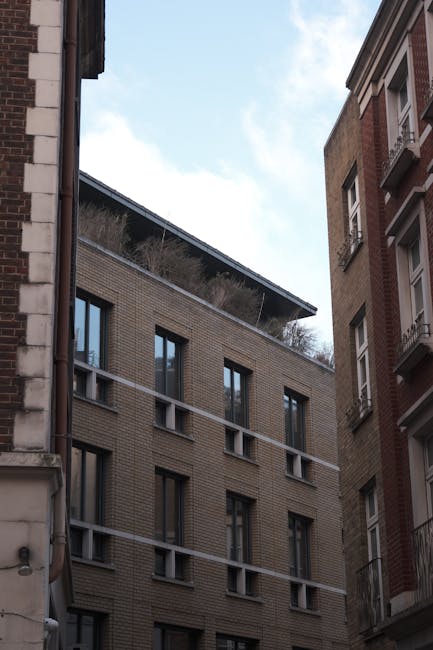
Garden Maintenance in Covent Garden

Garden Maintenance Covent Garden offers practical, tidy and reliable garden care for outdoor spaces that need regular attention, seasonal cutting or one-off restoration. Our main service covers the routine jobs that keep planting areas, lawns, beds, edging and access routes in good order, while also helping with heavier clear-ups when a space has become overgrown or neglected. The focus is straightforward: sensible maintenance that suits the size, layout and condition of the garden.
We work across the main types of domestic outdoor space you are likely to find in and around Covent Garden, from compact courtyards to shared terrace gardens and planted borders. That can include lawn mowing, hedge trimming, leaf clearance, border tidying and general green waste removal, together with planned visits that keep a garden under control rather than leaving work to build up. Regular care usually gives the neatest result, but one-off support can also make a clear difference.
If you are comparing options, use this page to understand the core service, then request a quotation when you are ready to move ahead.
Routine garden care
Routine maintenance is the part of garden care that keeps everything looking balanced between more noticeable jobs. It normally includes cutting grass, trimming soft growth, removing weeds from obvious areas, edging where needed and gathering debris before it spreads. For many properties, this is the difference between a garden that always feels manageable and one that quickly becomes difficult to bring back into shape.
We can support planned maintenance where the same tasks are repeated at sensible intervals, and that is often the best choice for gardens with lawns, shrubs and seasonal growth. It is also useful where access is limited and jobs need a careful, methodical approach rather than a rushed tidy-up. If you have a small but busy outdoor space, the emphasis may be on keeping pathways clear and planting areas neat; if you have larger beds, the work may focus more on structure and control. Our services overview gives a clear summary of the main work groups available.
When the condition of the garden is fairly stable, maintenance can be light but still effective. When growth is faster, the same service may involve more cutting back and disposal. The right approach depends on the layout, what is planted, how quickly things grow and how much tidying is required before the area feels presentable again.
Lawn care and cutting
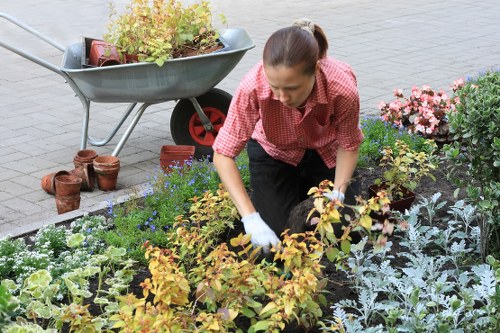
Lawns often define the look of a garden, so mowing and light aftercare are central parts of good maintenance. A cut lawn can make the whole space look sharper, while uneven growth, scattered clippings and tired edges can make even a well-kept garden seem neglected. Our lawn work is intended to keep turf at a sensible height, improve the finish around borders and reduce the build-up of coarse grass or stray debris.
For lawns that have been left longer between visits, a gradual approach is often better than trying to cut everything down in one step. Edging, leaf collection and trimming around obstacles can be just as important as the cut itself, particularly in gardens where the lawn is broken up by paving, steps or planted sections. Lawn mowing is one of the most direct ways to keep that part of the garden looking cared for.
We also consider the practical details that affect the finish, such as damp ground, awkward corners and narrow access. Some lawns only need a straightforward cut and tidy, while others need more preparation first. In either case, the goal is a neat result that fits the garden rather than forcing it into an unsuitable pattern.
Hedges, borders and shaped growth
Growth that is meant to provide structure needs careful trimming rather than heavy cutting. Hedges, shrubs and border plants all have different habits, so maintenance needs to be measured and neat. Done properly, trimming keeps lines crisp, encourages healthier presentation and stops one part of the garden from dominating the rest. That is especially useful where a compact outdoor space relies on shape and proportion.
Hedge work may involve topping, side trimming or reducing growth that is beginning to overhang paths and neighbouring areas. In planted borders, attention often moves to straggling stems, dead material and uneven edges that spoil the appearance of the planting. Hedge trimming is a useful option when the main issue is outline and control rather than full-scale clearance.
Shape matters as much as height. A hedge that is trimmed too bluntly can look thin, while one that is left too long may lose its form. We therefore aim for tidy lines and balanced results, using the actual condition of the planting to decide how much to remove. That same careful approach also helps when several different types of growth sit close together in one confined area.
Clearances and overgrown areas
Some gardens need more than routine care. If a space has been left for a while, the priority may be to remove thick growth, fallen material, weeds, broken-down debris or unwanted green waste before normal maintenance can resume. Clearance work is useful when plants have spread beyond their intended area or access has become difficult because paths, beds and corners are crowded.
Where needed, we can combine cutting back with removal so that the area is left easier to use and simpler to maintain afterwards. This can be particularly helpful for gardens that have collected waste after a long wet spell or where seasonal growth has built up quickly. Garden clearance is the relevant service when the main task is returning order to a space that has become too dense or cluttered.
Clearance is not the same as routine gardening, because the aim is usually to reduce bulk first and refine the details afterwards. It may involve more time spent working through the garden in sections, checking what should remain and what needs to go. Once the heavier material has been handled, the garden can often move into a normal maintenance pattern again.
Planning maintenance around the property

Every garden benefits from a plan that reflects how it is actually used. A small paved courtyard, for example, may need regular leaf and weed control more than mowing, while a planted rear garden may need a mix of hedge work, border care and grass cutting. Good maintenance starts with the visible tasks but should also consider access, disposal and the order in which the work is best carried out.
Useful information for a quotation usually includes the main jobs you want done, how often you would like them repeated, and whether the area is currently tidy or in need of a more substantial reset. If access is awkward, it helps to note that in advance so the work can be planned sensibly. If you would like to see what else sits alongside maintenance, garden maintenance and the wider services overview are the most relevant places to start.
Keeping the brief clear also helps with cost factors. The condition of the garden, the amount of material to remove, the frequency of visits and the amount of shaping required can all affect the scope of the work. A clear description means the quotation can be based on the actual tasks rather than on broad assumptions.
Landscape upkeep and longer-term changes
Some customers want maintenance that sits alongside wider improvement work. That may mean keeping an existing garden in good order while a few parts are updated, or keeping new planting and hard landscaping clean while the rest of the space settles in. Maintenance of this kind needs a careful eye, because the aim is not only to cut and tidy but also to protect the overall appearance of the garden.
Where structural features are involved, the maintenance approach changes slightly. A deck, paved edge or gravel section may need weed control, sweeping and debris removal rather than repeated cutting, while planting nearby may need pruning and regular tidying to stop soft growth spilling across surfaces. Landscaping and landscape gardening can be relevant where the garden needs both upkeep and broader improvement in the same programme.
Thoughtful upkeep is especially useful when different materials meet in one space. A garden can look disjointed if plants, paving and lawns are treated as separate jobs with no coordination. Bringing them together under one maintenance plan usually creates a cleaner result and makes the whole outdoor area easier to manage over time.
About Covent Garden
Covent Garden is a central London district in the City of Westminster, closely associated with the historic fruit and vegetable market that operated there for centuries before moving to Nine Elms in 1974. The area developed around the former convent garden of Westminster Abbey, and its name still reflects that older landscape history. Over time, the district became known for theatres, shopping, street performance and a dense mix of older streets and adapted buildings. Today it sits within one of the capital’s most visited west-end quarters, with a street pattern that still preserves traces of earlier urban development alongside later commercial change. The Piazza is the best-known public space, framed by market buildings and activity that has long made the area distinctive. Nearby streets connect to the wider theatre district, including the Royal Opera House and several landmark performance venues that help define the local cultural identity. The district is compact but richly layered, with architecture that ranges from historic façades to later commercial fronts, and with pedestrian spaces that encourage movement between shops, cafés and institutions. Despite its highly urban setting, Covent Garden is also shaped by the texture of its lanes, courts and squares, which give the neighbourhood a recognisable sense of enclosure within central London. It remains a place where heritage, commerce and public life overlap in a way that is unusual even by West End standards.
Decking, surfaces and finishing touches
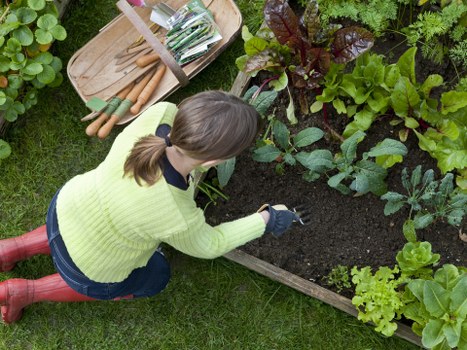
Maintenance does not stop at green growth. Many gardens include decking, steps, paving or other surfaces that need cleaning and clearing so the planting can be seen properly and the area stays usable. A clean edge between soft and hard landscaping makes the whole space feel more deliberate. It also reduces the chance that moss, leaf litter or loose clippings will spoil the look of the garden after the main cutting work has been completed.
Where decking is present, the task may include sweeping, clearing trapped debris and removing growth that has started to spread into the joints or around the frame. If the surface is close to beds or planters, tidying the surrounding growth can be just as important as working on the boards themselves. Decking services may be useful where the timber or structure needs more specific attention than general gardening alone can provide.
Finishing touches often determine whether a garden looks merely cut back or properly maintained. Straight edges, clean paths and clear access points all help the space feel easier to use. That final pass is usually a modest part of the job, but it makes a strong difference to the overall impression.
Tree and larger growth control
In some gardens, maintenance extends to larger plants, self-seeded growth or branches that are beginning to affect light, access or the balance of the space. That does not always mean major work, but it does require judgement about what can stay and what needs to be reduced. If a tree canopy or larger shrub is crowded, the aim is often to improve shape and manage encroachment without disturbing the rest of the garden.
This kind of work is more specialised than ordinary tidying, especially where height, weight or disposal need more planning. It can also affect nearby planting, so the cutting sequence matters. Tree lopping and removal is the relevant page when the task moves beyond regular maintenance and into larger-scale arboricultural work.
Not every overgrown element needs to be removed completely. In many cases, a reduction in bulk or a careful rebalancing is enough to restore daylight and clarity. The right choice depends on the plant type, where it sits and how much space is available around it.
How to request a quotation
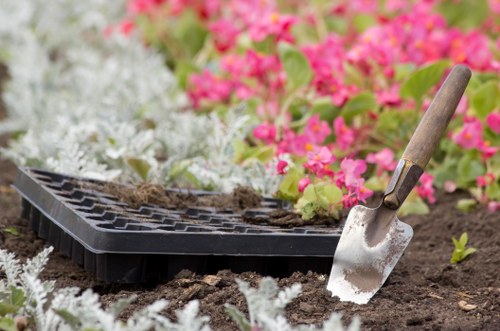
When you are ready to go ahead, the quickest way to request a quotation is to send a brief description of the garden, the work you want completed and whether the job is routine maintenance or a larger tidy-up. If you can mention the size of the area and any features such as lawns, hedges, decking or overgrown sections, that helps us assess the scope more accurately. A few clear details usually give a better starting point than a long general message.
It also helps to say whether the garden is easy to access and whether you would like a one-off visit or a repeating service. Pricing and quotes is the best place to look if you want to understand how quotations are approached, while contact us is the final step when you want to send your details and ask us to prepare a quotation.
Ready to arrange garden maintenance in Covent Garden? Send your enquiry today and we will help you take the next step with a clear, practical quotation.