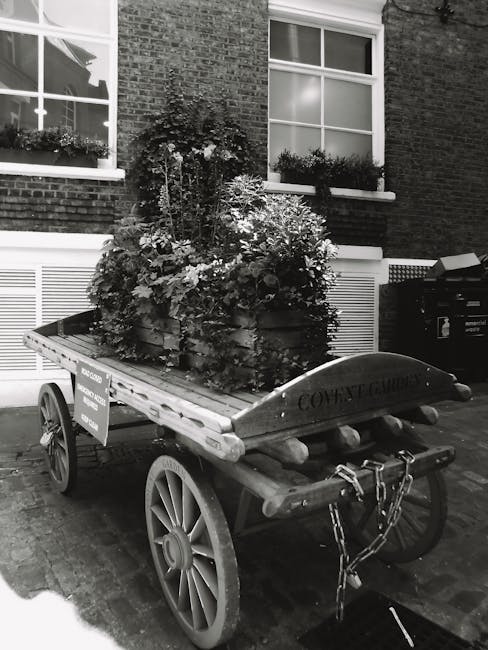
Common problems when booking gardeners in Covent Garden
Booking a gardener sounds simple enough. You make a call, agree a time, and expect the beds to be cut back or the lawn to look neat by the end of the day. In Covent Garden, though, the reality can be a bit more complicated. Tight access, busy streets, shared courtyards, awkward timing, and service expectations all create the kind of small friction that turns a straightforward job into a headache.
This guide looks at the common problems when booking gardeners in Covent Garden, why they happen, how to avoid them, and what to check before you confirm anything. If you are comparing quotes, trying to understand what a reliable local service should include, or simply want less stress next time, this will help. Let's face it, nobody wants to chase a no-show on a damp Tuesday morning.
For a broader look at available services, it can also help to review the services overview and the more specific garden maintenance options before you book.
Table of Contents
- Why these booking problems matter
- How the booking process usually works
- Key benefits of booking carefully
- Who this is for and when it makes sense
- Step-by-step guidance
- Expert tips for better results
- Common mistakes to avoid
- Tools, resources and recommendations
- Law, compliance, standards, and best practice
- Options, methods, and comparison table
- Case study or real-world example
- Practical checklist
- Conclusion
- Frequently Asked Questions
Why Common problems when booking gardeners in Covent Garden Matters
In a place like Covent Garden, garden work is rarely as simple as turning up and getting stuck in. Many properties have shared access, concealed courtyards, narrow entrances, roof terraces, or planting areas that are more decorative than practical. That means a gardener may need more detail up front than someone working on a suburban front lawn. If you do not explain the layout properly, the wrong tools might arrive, the job may take longer than expected, or the quote can change once the work begins.
The biggest issue is not always the gardening itself. It is the mismatch between what the customer expects and what the contractor thinks they are quoting for. One person imagines a tidy one-off refresh. The other is pricing for regular upkeep, waste removal, or access challenges. Those are very different jobs, to be fair.
There is also the trust factor. If you book quickly because the garden looks messy and you want it sorted before a weekend or a guest visit, it is easy to skip the checks that matter: insurance, service scope, timing, and what happens if the weather turns. A rushed booking can lead to disappointment even when the gardener is competent. That is the annoying bit.
Understanding the common pitfalls helps you make better decisions and avoid paying twice for the same work. It also makes it easier to compare options fairly, especially if you are considering related services such as lawn mowing, hedge trimming, or a full garden clearance.
How Common problems when booking gardeners in Covent Garden Works
Most bookings follow a similar pattern. You describe the job, the provider asks a few questions, a quote is issued, and a visit is arranged. Simple on paper. In practice, the quality of the booking depends on the quality of the information shared before anyone turns up with secateurs, mowers, or waste sacks.
Typical booking stages
- Initial enquiry: You explain the type of garden, the tasks needed, and any access issues.
- Assessment or quote: The gardener estimates time, labour, equipment, and disposal requirements.
- Scheduling: A date is agreed, often with a note about weather or access windows.
- Arrival and setup: The team confirms the scope before starting.
- Completion and tidy-up: The work is finished, waste is removed, and the space is left presentable.
The problems usually appear when one of those steps is vague. For example, "general tidy-up" might mean deadheading and sweeping to one person, but to another it could mean cutting back shrubs, removing ivy, and loading green waste. A good booking process removes those grey areas early.
In Covent Garden, timing can matter more than people expect. Deliveries, neighbours, building access rules, and busy street conditions can all affect how easily a job runs. If you are booking for a communal or managed property, it is wise to mention any restrictions immediately rather than on the day. Otherwise, the appointment may become a long, awkward shuffle from one gate to another. Not ideal.
Key Benefits and Practical Advantages
Booking carefully is not just about avoiding problems. It also improves the result. When the details are clear from the start, the gardener can plan the right crew, equipment, and time block. That often means a cleaner finish, less back-and-forth, and fewer surprise costs.
- Better accuracy: Clear details produce more realistic quotes.
- Less disruption: Good planning reduces delays, rescheduling, and confusion.
- Higher quality work: The right tools and time allocation make a visible difference.
- Safer visits: Access and waste handling are thought through in advance.
- More predictable costs: You are less likely to face add-ons after the job begins.
There is another benefit people often miss: consistency. If you want regular upkeep, a trustworthy booking process creates a better long-term relationship. That matters for ongoing visits where seasonal work changes through the year. A garden in early spring needs different attention from one in late summer after a spell of dry, windy weather.
Expert summary: The best bookings are not the fastest ones. They are the clearest ones. When the scope, access, waste, timing, and finish standard are all agreed early, the job usually runs smoother and the results are much easier to judge.
Who This Is For and When It Makes Sense
This topic is relevant to a few different types of customers. If you own a small private garden, manage a terrace, look after a rental property, or help maintain a communal outdoor space, the booking process can trip you up in slightly different ways.
- Homeowners: You may need help with regular upkeep, pruning, or seasonal clearing.
- Landlords and letting agents: A tidy outdoor area can matter between tenancies or before inspections.
- Residents of apartments with shared space: Access and neighbour coordination can complicate booking.
- Businesses or hospitality venues: Presentation and timing are often just as important as the work itself.
- Property managers: You may need clear paperwork, predictable invoicing, and a dependable schedule.
It makes sense to book a gardener when the work is more than a quick sweep or when the area needs consistent care. That might be a once-off tidy before visitors arrive, or an ongoing plan for beds, hedges, turf, and planting. If the job includes structural changes or larger design work, you may need to look beyond basic maintenance and consider landscape gardening or broader landscaping support.
Truth be told, many problems start because people book the wrong type of service for the job in front of them. A lawn refresh, for example, is not the same as a full clearance. Nor is removing a few overgrown stems the same as dealing with a hedge that has been ignored for six months.
Step-by-Step Guidance
If you want to avoid common booking issues, use a more deliberate process. A few extra minutes here can save you a lot of hassle later.
1. Define the job properly
Start with the basics: what needs doing, how big the area is, and what the current condition looks like. Be specific. Say whether you need mowing, hedge trimming, weeding, clearance, pruning, planting support, or general maintenance. If you are not sure, say what the garden looks like and ask what service best fits.
2. Note access and logistics
Tell the gardener about side gates, locked courtyards, shared entrances, lift access, parking limitations, and any building rules. In Covent Garden, a job can be perfectly straightforward in theory and still awkward in practice if access is tight. A five-minute conversation can prevent a wasted visit.
3. Ask what is included
Do not assume everything is covered. Ask about labour time, waste removal, disposal charges, plant sourcing, and whether materials are included. If you need a bit of extra detail, a provider's pricing and quotes information can help you understand how the job is likely to be scoped.
4. Confirm the expected finish
"Tidy" means different things to different people. One client may want the garden presentable for guests. Another wants a full reset, with clipped edges and all debris gone. Agree the finish standard before the visit. A good gardener will not mind the clarity.
5. Check availability and timing
Ask whether the work is weather-dependent and whether arrival windows are fixed or flexible. For some tasks, especially mowing or pruning, wet weather can change what is sensible on the day. A little flexibility is normal. A last-minute silence is not.
6. Review payment and terms
Before you go ahead, read the payment expectations and basic terms. That sounds dull, and yes, it is the least glamorous bit. Still, it helps avoid surprises over deposits, cancellations, or card payments. You can also check how the business handles security and payment on the payment and security page and review the terms and conditions.
7. Keep a simple written record
An email or message confirming the scope, date, price, and key notes is usually enough. You do not need a legal novel. Just a clear record that both sides can refer to if needed.
Expert Tips for Better Results
Here are the practical things that make the biggest difference, especially in a dense central London setting like Covent Garden.
- Send photos before quoting: A few honest photos can prevent misunderstandings about size, growth, or debris.
- Break the job into tasks: Mowing, hedge work, clearance, and planting are often priced and scheduled differently.
- Think seasonally: Spring growth, summer watering needs, and autumn leaf fall change the workload considerably.
- Plan around neighbours: If noise or shared access is an issue, mention it upfront.
- Ask about waste handling: Green waste can become a hidden problem if nobody agrees who removes it.
It also helps to think about upkeep rather than rescue work. A garden that is serviced regularly is usually cheaper and easier to manage than one that gets neglected and then booked in a panic. A brief monthly visit can often do more good than a dramatic once-a-year clear-out. That is not glamorous, but it is true.
If your outdoor space includes timber features, a deck, or edging that needs attention alongside the planting areas, it may be worth checking decking services as part of the wider plan. Small repairs and maintenance can stop a tidy garden from looking tired.
Common Mistakes to Avoid
Most booking problems are avoidable. The trouble is, they are also easy to repeat if you are busy.
- Booking on price alone: The cheapest quote may leave out waste removal, access time, or the actual labour needed.
- Being vague about the job: "Just a quick tidy" is rarely enough detail.
- Ignoring access constraints: A locked gate or no-parking zone can change everything.
- Assuming all gardeners do the same work: Some specialise in maintenance, some in clearance, and some in larger transformations.
- Not checking insurance: You want peace of mind if anything unexpected happens on site.
- Leaving out photos: This is one of the simplest ways to improve accuracy, yet people forget it all the time.
One common mistake is forgetting the aftermath. The job may look good when the gardener leaves, but what about the next week? If the lawn was cut too short or the beds were cleared too aggressively, the result can look worse very quickly. Good gardening is about judgement, not just effort.
If the work involves difficult access, large amounts of waste, or overgrown areas, it may be better to book a more robust service such as garden clearance rather than trying to squeeze it into a routine maintenance slot.
Tools, Resources and Recommendations
You do not need a professional toolkit to book a gardener well, but a few simple things help.
Useful things to have ready
- Photos of the garden from different angles
- A short written list of tasks
- Access notes, including gates or codes
- Preferred dates and time windows
- Questions about waste disposal and follow-up visits
It is also worth knowing which service category you actually need. If the issue is regular upkeep, garden maintenance is usually the right starting point. If the area is overgrown or full of debris, clearance may be more suitable. If the main issue is a tired lawn, then lawn mowing and associated turf care may be the more relevant route.
For more general reassurance about how a provider operates, it can be useful to read the company's about us page and insurance and safety information before you commit. That kind of background detail may not be thrilling, but it tells you a lot about professionalism.
Law, Compliance, Standards, or Best Practice
Garden work is not usually heavily regulated in the way some trades are, but that does not mean standards do not matter. Good providers should still work safely, communicate clearly, and handle waste responsibly. If tools, ladders, cutting equipment, or tree work are involved, sensible safety procedures become even more important.
In practical terms, you should look for:
- Public liability insurance: A basic sign of professionalism and risk management.
- Clear health and safety processes: Especially where cutting tools, uneven surfaces, or access challenges are involved.
- Transparent complaints handling: A useful sign that the business is willing to resolve issues properly.
- Clear payment terms: So both sides know what happens if plans change.
- Responsible waste handling: Green waste should not just be left in a pile without agreement.
For more on the company's approach to safe working, review the health and safety policy and the complaints procedure. If sustainability matters to you, the recycling and sustainability page is also worth a look. That is especially useful if you want clippings, branches, or other green waste handled in a more considered way.
Where tree work is part of the job, the standards should be even tighter. Tree lopping and removal needs a cautious, well-planned approach rather than a quick hack-and-hope session. Frankly, that is one area where "we'll just see how it goes" is not a great plan.
Options, Methods, and Comparison Table
Not every garden issue needs the same type of booking. Choosing the right service saves time and avoids overpaying for work that does not quite match the problem.
| Issue | Best-fit approach | Typical challenge | What to clarify before booking |
|---|---|---|---|
| Routine upkeep | Regular maintenance visit | Tasks can drift from simple to broad | Frequency, scope, and finish level |
| Overgrown garden | Garden clearance | More waste and longer labour time | Removal of debris, cut-back work, access |
| Tired lawn | Lawn mowing and lawn care | Wet weather, uneven ground, edge work | Cut height, edging, and disposal of clippings |
| Hedges and boundary planting | Hedge trimming | Noise, height, and shaping expectations | Desired shape, height reduction, waste handling |
| Structural or visual redesign | Landscape gardening or landscaping | Scope is broader and more complex | Design input, materials, phasing, and timeline |
| Heavy or unsafe tree work | Tree lopping and removal | Safety and access considerations | Permissions, risk controls, and debris removal |
The table above is useful because many booking problems come from choosing the wrong method for the job. A tidy-up request might turn into a clearance job. A simple hedge trim might actually need more shaping and disposal time than you first thought. Asking the right question at the start helps avoid an awkward price change later on.
Case Study or Real-World Example
Here is a realistic example. A resident in a Covent Garden flat wanted a small courtyard refreshed before hosting guests at the weekend. On the surface, it sounded quick: sweep, trim, and tidy. But once the gardener saw the space, there was dense ivy, a cluttered corner of old pots, a narrow access route through the building, and no clear place to load waste.
Because the customer had already sent photos and mentioned access limitations, the job was adjusted before the visit. A smaller team brought the right tools, the work was split into sections, and the waste was removed in one go. The space ended up looking clean and calm, with that fresh-cut smell in the air that makes a garden feel properly reset.
Had those details not been shared, the result could easily have been a second visit, a revised quote, or a frustrated scramble on the day. This is the pattern you see again and again: good information early, fewer problems later.
That is why matching the right service matters so much. A courtyard refresh might need general maintenance, while a heavily neglected space may need something closer to clearance. Small distinction. Big difference.
Practical Checklist
Use this before you confirm a booking.
- Have I described the exact work needed?
- Have I sent photos of the area?
- Have I mentioned access issues, parking, and building rules?
- Do I know whether waste removal is included?
- Have I checked whether the job is routine maintenance or a clearance?
- Have I agreed the finish standard I expect?
- Have I confirmed the date, time window, and weather plan?
- Have I reviewed payment terms and cancellation conditions?
- Have I looked at the provider's insurance and safety information?
- Do I have a written record of the booking details?
If you can tick most of those off, you are already ahead of the average booking process. Not perfect, maybe, but solid. And solid is what you want here.
Conclusion
The common problems when booking gardeners in Covent Garden usually come down to the same handful of things: vague job descriptions, awkward access, unclear pricing, mismatched expectations, and rushed decisions. The good news is that all of them are manageable if you slow down just enough to give the booking proper shape.
Be clear about the space, honest about the condition, specific about the finish, and upfront about access. That alone will remove most of the stress. If you are comparing services, it can help to browse the relevant options first, from lawn mowing to tree lopping and removal, so the job is matched properly from the beginning.
Get a free quote today and see how much you can save.
And if you are still weighing things up, that is fine. A good garden decision does not have to be rushed. The best results usually start with a calm, careful booking and a bit of plain old common sense.
Frequently Asked Questions
What are the most common problems when booking gardeners in Covent Garden?
The most common problems are vague job descriptions, unclear access arrangements, surprise costs, and expectations that do not match the actual service. In central London, tight entrances and shared spaces also create extra friction.
How do I avoid paying more than expected?
Ask exactly what is included in the quote. Confirm labour, waste removal, materials, and whether follow-up visits are extra. A written summary helps a lot.
Should I send photos before getting a quote?
Yes, absolutely. Photos make it easier to judge the size of the job, the condition of the garden, and any access issues. They often reduce misunderstandings.
Is garden maintenance different from garden clearance?
Yes. Garden maintenance is usually ongoing care such as mowing, trimming, and general tidying. Garden clearance is more about removing overgrowth, debris, and heavy build-up.
What should I ask before booking a gardener?
Ask what is included, how waste is handled, whether insurance is in place, how access will work, and what happens if weather affects the visit. Simple questions, but useful ones.
Why do bookings go wrong in Covent Garden more often than in quieter areas?
Because access is often tighter, parking is less straightforward, and many properties have shared or limited working space. Small logistical issues become bigger in busy central London settings.
How far in advance should I book?
That depends on the season and how busy the calendar is, but it is sensible to book early if you need a specific date. Spring and early summer are often busier.
Do I need a regular garden service or a one-off visit?
If the garden needs ongoing control, regular maintenance is usually better. If it has become neglected or overgrown, a one-off clearance may be the right starting point.
What if the gardener arrives and says the job is bigger than expected?
That can happen if the original description was too brief. A good provider should explain the difference clearly and offer options before proceeding with extra work.
How can I tell if a gardener is professional?
Look for clear communication, written quotes, insurance information, sensible safety practices, and a straightforward complaints process. Professionalism tends to show up in the boring details, which is a good thing.
What if I need hedge cutting, lawn work, and some clearance all at once?
Say so at the start. A mixed job can usually be handled, but it should be scoped properly so the time, tools, and disposal plan all make sense together.
Can I combine maintenance with landscape improvements?
Yes, though it is worth separating the ongoing maintenance tasks from any bigger redesign or construction work. If the project is more ambitious, looking at landscape gardening or landscaping may be more appropriate.
What is the best single tip for booking a gardener well?
Be specific. A clear brief beats a clever assumption every time. If you explain the garden, the job, and the access properly, half the battle is already won.