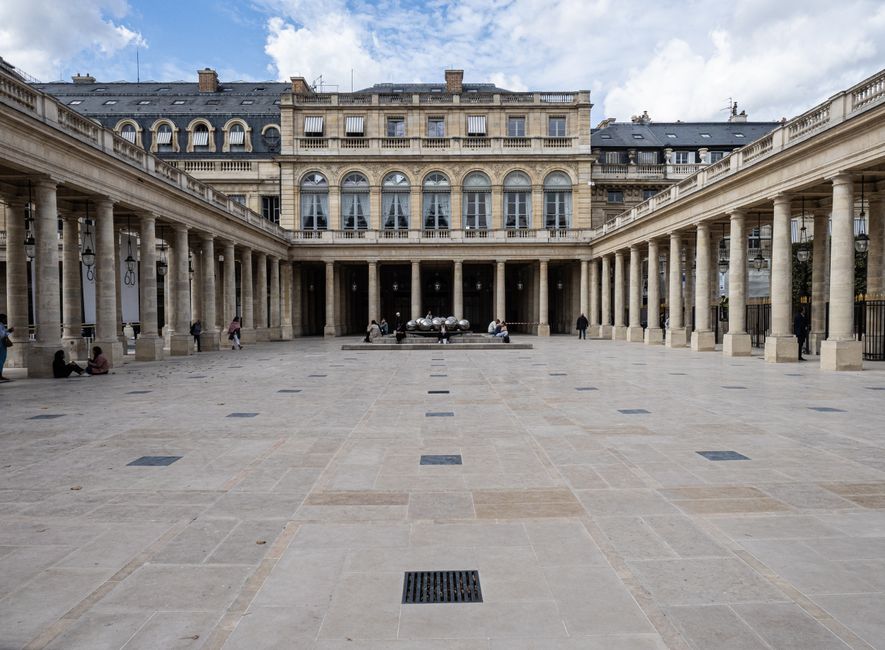
Royal Opera House Courtyard Gardeners for Heritage Sites
If you manage a heritage courtyard, you already know the feeling: one season of neglect can make a historic space look tired, while one careless intervention can do lasting harm. That is why Royal Opera House courtyard gardeners for heritage sites is such a useful benchmark for anyone caring for delicate, high-visibility outdoor spaces. The job is not just to make a courtyard look neat. It is to protect character, respect materials, keep access safe, and maintain a calm, polished appearance that suits the building around it.
In a place like Covent Garden, that balance matters even more. Courtyards and planted areas sit beside heavy footfall, performance schedules, deliveries, weather exposure, and the constant pressure to look good in daylight, rain, and the occasional rush-hour scramble. This guide explains what heritage courtyard gardening involves, how it works in practice, what to watch out for, and how to make sensible decisions if you are responsible for a historic site, cultural venue, or listed setting.
You will also find practical steps, a checklist, and a realistic example of what good heritage courtyard maintenance looks like when it is done properly. No fluff. Just the sort of guidance you can actually use.
- Why it matters
- How it works
- Key benefits
- Who needs this service
- Step-by-step guidance
- Expert tips
- Common mistakes
- Tools and resources
- Law, compliance and standards
- Options and comparison
- Real-world example
- Practical checklist
- Frequently asked questions
Why Royal Opera House courtyard gardeners for heritage sites Matters
Heritage courtyards are not ordinary gardens. They sit at the intersection of landscape care, building presentation, visitor safety, and long-term conservation. A courtyard at a landmark venue has to do more than look seasonal. It has to support the architecture, not compete with it. That sounds obvious, but it is where many projects go sideways.
The Royal Opera House setting is a good mental model because it represents the pressure points many heritage sites face: constant use, the need for a refined finish, and the expectation that everything looks effortless. In reality, the effort is careful and continuous. Planting has to suit shade, reflected heat, wind tunnels, and restricted growing space. Surfaces need cleaning without damage. Edges must stay crisp. Access routes cannot be cluttered. It is all a bit of a balancing act, truth be told.
For heritage sites, the garden is also part of the visitor experience. A courtyard can soften stone, reduce harsh lines, create seasonal interest, and give people a moment to breathe. You notice it most when it is done well: the space feels settled, welcoming, and quietly expensive. When it is neglected, you notice that too. Spent bedding, weeds in joints, algae on paths, and overgrown shrubs can make even a grand building feel oddly unloved.
There is also a conservation reason to be careful. Historic materials often react badly to aggressive cleaning or the wrong plants in the wrong place. Roots, moisture, staining, and poor drainage can all create headaches that take far longer to fix than they would have taken to prevent. So, the right gardeners for heritage sites are part horticulturist, part site steward, and part practical problem-solver.
Expert summary: Heritage courtyard gardening is about preserving the setting as much as the planting. The best results come from small, regular interventions, sensitive choices, and a maintenance rhythm that respects both the building and the people who use it.
How Royal Opera House courtyard gardeners for heritage sites Works
At its core, heritage courtyard gardening works through planned, low-disruption maintenance. The aim is not to turn the space upside down every few weeks. It is to keep control of growth, tidy the visual lines, and respond early to issues before they become visible to the public. That often means working to a schedule that follows the site calendar, not just the horticultural calendar.
A practical service typically begins with a site walk. This is where a gardener or maintenance lead looks at the condition of the beds, pots, paths, edging, trees, and any climbing plants or structural features. They will also note access constraints, water points, working hours, storage, and how the courtyard is used. If the venue has event days or peak visitor periods, that affects the plan immediately.
Then comes the maintenance approach. In a heritage environment, that usually includes:
- light pruning rather than heavy cutting
- weed control that protects paving and joints
- careful deadheading and seasonal refreshes
- checking drainage, irrigation, and soil levels
- litter and leaf clearance without damaging finishes
- monitoring for pests, disease, and stressed planting
It may also include broader tasks such as lawn edging, hedge trimming, or selective planting updates where the site design allows it. For some spaces, support from regular garden maintenance is enough to keep everything in shape. Others need a more strategic approach that includes landscape gardening or even a gentler round of landscaping to repair awkward corners or improve movement through the space.
The key point is this: heritage courtyard gardening is iterative. One tidy-up will not solve a year of compaction, shade stress, or overgrown framework planting. Good results come from consistency. A little, often. That is the whole game.
Key Benefits and Practical Advantages
There are several reasons heritage sites invest in specialist courtyard gardeners rather than treating the space as a standard maintenance task. Some are obvious. Some only become clear after the first season of proper care.
1. Better visual presentation
A courtyard at a heritage site has to look composed from every angle. The planting should frame the architecture, not hide it. Crisp edges, healthy foliage, and clear walkways all contribute to a more refined first impression. Visitors may not consciously analyse it, but they feel it.
2. Reduced risk of damage
Regular care helps prevent roots from pushing into vulnerable areas, moisture from lingering against masonry, and weeds from breaking through paving. A small problem left alone in winter can become a much bigger one by spring. Gardeners working in heritage settings learn to spot those risks early.
3. Less disruption for visitors and staff
Careful planning means maintenance can happen quietly, with minimal noise and without blocking circulation routes. That is particularly useful in cultural venues, hospitality courtyards, museums, or event spaces. No one wants hedge cuttings blowing across an entrance ten minutes before doors open.
4. Seasonal flexibility
Courtyards can be made to feel alive all year round with the right mix of bulbs, evergreen structure, clipped forms, and managed colour. Heritage sites often need that continuity. You do not want a dramatic summer display followed by a bleak, bare-looking winter gap.
5. Smarter long-term budgeting
Maintenance is usually cheaper than restoration. That sounds boring, but it is true. Preventive pruning, weed control, and surface care reduce the chance of expensive repairs later. If a site has repeated issues with buildup, debris, or uncontrolled growth, it may benefit from periodic garden clearance before returning to a gentler maintenance rhythm.
6. Better alignment with conservation values
Well-chosen plantings, restrained interventions, and respect for historic materials all support the character of the place. In heritage settings, restraint is often the clever move. Not flashy. Not overdone. Just right.
Who This Is For and When It Makes Sense
This kind of gardening is not only for major opera houses or world-famous courtyards. Plenty of sites need the same careful thinking, even if the public never sees their name on a brochure.
It makes sense for:
- listed buildings with courtyard planting
- theatres, galleries, and cultural venues
- hotels and hospitality spaces in historic properties
- museums and visitor centres
- private estates with formal courtyards
- education or civic buildings with heritage character
- multi-use urban spaces where appearance and access both matter
It is especially relevant when the site has one or more of the following:
- tight access and limited storage
- high footfall
- fragile paving or historic stonework
- mixed sun and shade conditions
- event days or performance schedules
- a need for year-round presentation
There is also a timing question. If a courtyard is starting to look tired but is not yet in crisis, that is the best time to act. Waiting until everything is overgrown usually means more intensive work, more disruption, and a less elegant result. And yes, sometimes the "we'll deal with it later" plan is how small issues become stubborn ones.
Step-by-Step Guidance
If you are planning or commissioning heritage courtyard maintenance, a structured process makes life much easier. Here is a practical sequence that works well in real-world settings.
- Assess the site properly. Look at plant health, drainage, paving condition, access routes, shading, and any features that need special handling. Photograph problem areas if needed.
- Define the visual standard. A heritage courtyard usually needs a clean, restrained finish rather than a highly ornamental one. Decide what "tidy" means for this specific place.
- Match plants to conditions. Use species that cope with shade, reflected heat, wind, containers, or shallow soil where relevant. The wrong plant choice creates avoidable work.
- Create a maintenance rhythm. Weekly, fortnightly, or seasonal visits may all be useful depending on the site. The important thing is consistency.
- Protect the building and surfaces. Make sure tools, ladders, cuttings, water, and waste do not damage masonry, timber, metalwork, or specialist finishes.
- Control weeds early. Small weeds in gravel, joints, and bed edges are much easier to manage before they establish.
- Review after events or weather shifts. A windy week, heavy rain, or a public event can change the site quickly. Check it again rather than assuming it still looks fine.
- Record what was done. A basic maintenance log helps you track patterns, spot recurring issues, and explain decisions later if needed.
That last bit is underrated. A simple note saying "pruned west-side shrub line, checked drainage at rear planters, removed leaf buildup from access route" can save a surprising amount of confusion later. Not glamorous, but very useful.
Expert Tips for Better Results
Heritage courtyard care rewards judgement more than brute force. A few practical habits can make a real difference.
Work with the architecture, not against it
If a courtyard has strong stone lines or formal symmetry, keep planting disciplined. If the building is softer or more intimate, slightly looser planting may work better. The garden should feel like it belongs there.
Choose structure first, colour second
In shaded or high-traffic courtyards, colour fades quickly if the planting lacks strong bones. Evergreen texture, clipped forms, and reliable foliage usually outperform a purely seasonal display.
Plan for clean edges
Edging is one of those details people only notice when it is wrong. Clean lines around beds, paths, and pots make even a small courtyard look cared for. A bit of sharpness goes a long way.
Use containers intelligently
Where ground planting is limited, containers can help create rhythm and flexibility. But they need the same level of attention as beds: watering, feeding, checking for root stress, and rotating if one side gets too much sun. Otherwise they become expensive clutter. Bit harsh, but fair.
Think about sightlines
In public or heritage spaces, people rarely view the courtyard from just one spot. They see it while walking, waiting, sitting, or passing through. Test the view from multiple angles before making changes.
Do less, more often
This is perhaps the biggest lesson. A courtyard that is lightly tended on a regular basis will usually look better than one that gets dramatic intervention every few months. The second approach creates mess, shock, and more visible downtime.
If your site also has overgrown perimeter planting or boundary features, a service such as hedge trimming can help restore shape without making the whole area feel stripped back. For larger work, the right balance between tidying and structural change is crucial.
Common Mistakes to Avoid
Heritage sites often make the same few mistakes, usually for understandable reasons. Budgets are tight. Time is tight. Everyone is busy. But the consequences can stack up quickly.
- Using a standard gardening approach for a sensitive site. A listed courtyard is not a suburban front garden. Heavy-handed work can damage plants, surfaces, and character.
- Over-pruning for the sake of neatness. Too much cutting can expose stems, weaken plant structure, or make the space look stark.
- Ignoring drainage and compaction. When water pools near old masonry or planting beds, it often points to a deeper issue.
- Letting leaf litter sit too long. It blocks drains, stains surfaces, and encourages slippery patches.
- Choosing the wrong species. A beautiful plant that hates shade, pollution, or restricted roots is still the wrong plant.
- Skipping seasonal review. A courtyard can go from acceptable to shabby surprisingly fast after a wet spell or warm growth surge.
- Failing to coordinate with building operations. Deliveries, cleaning, access, and public events need to be part of the plan.
One practical example: a site might spend time refreshing bedding, only to leave windblown debris at the base of stone walls for weeks. It is a tiny thing, but it sends the wrong signal. Heritage work lives in the tiny things.
Tools, Resources and Recommendations
You do not need a flashy toolkit to maintain a heritage courtyard well. In fact, simpler is often better. The important thing is using the right tools carefully and consistently.
Useful tools
- hand pruners and secateurs for precise cuts
- lightweight rakes for leaves and debris
- soft brushes for surface cleaning where appropriate
- garden forks for loosening compacted soil around planting, if suitable
- watering cans or controlled irrigation for containers and sensitive beds
- spare labels or notes for plant identification and maintenance records
Practical resources to keep in place
- a site plan showing access points and fragile areas
- a seasonal maintenance calendar
- a short photo record of recurring issues
- clear instructions for event weeks or restricted working hours
- contact details for urgent queries or site access changes
If you are comparing service types, it can help to view services overview information before deciding what level of support you need. Some sites require a light-touch visit pattern. Others need a broader mix of maintenance and remedial work.
It may also be useful to understand how quotes are prepared. Transparent pricing depends on access, site size, frequency, and the condition of the planting or hard landscaping. You can learn more about pricing and quotes if you are planning a budget or comparing options.
And if the site has sustainability goals, the way green waste is handled matters too. The most responsible setups plan for reuse, recycling, and minimal waste where possible. That links naturally with recycling and sustainability practices.
Law, Compliance, Standards, or Best Practice
Heritage courtyard gardening often touches on compliance, even when the work looks purely horticultural. The exact obligations depend on the site, ownership, and the nature of the building, so this section stays deliberately careful and practical.
In the UK, heritage settings may have restrictions or sensitivities around listed buildings, conservation areas, protected trees, access routes, and waste handling. In a public-facing environment, there are also duties around health and safety, contractor management, and safe access for staff and visitors. The details vary, so it is sensible to check site-specific requirements before starting work.
Best practice usually includes:
- risk-aware planning before work begins
- clear communication about access and timing
- safe tool use and safe storage
- protecting fragile surfaces during maintenance
- appropriate insurance for the type of work being done
- good record keeping for routine visits and issues found
For reassurance, many clients ask about contractor safeguards before appointing anyone. That is sensible. A reputable team should be able to explain its approach to insurance and safety and what it does to reduce site risk. It is also fair to ask how health and safety is handled on a busy site, especially one with visitors, deliveries, or event schedules. If needed, a provider's health and safety policy should make its process clearer.
You may also want to review basic terms before work starts, particularly if the site is part of a commercial arrangement. Clear expectations reduce friction later. A straightforward read of the terms and conditions and the privacy policy is rarely time wasted, even if nobody's favourite task is paperwork. Still, paperwork has its place.
Options, Methods, or Comparison Table
Not every heritage courtyard needs the same style of care. The right method depends on the condition of the site, the level of public visibility, and how much plant structure is already in place.
| Approach | Best for | Strengths | Trade-offs |
|---|---|---|---|
| Routine maintenance | Established courtyards with healthy planting | Low disruption, consistent presentation, easy to schedule | May not solve deeper design or drainage issues |
| Seasonal refresh | Sites needing periodic replanting or tidy-up work | Good for visible improvement, flexible and cost-conscious | Less effective if problems return quickly |
| Selective redesign | Courtyards with poor layout or repeated plant failure | Can fix weak spots and improve long-term usability | More planning, more disruption, higher upfront effort |
| Clearance and reset | Overgrown or neglected heritage spaces | Removes clutter fast, makes future maintenance possible | Can feel dramatic if not followed by a proper maintenance plan |
In most cases, a combination works best. A tired courtyard might need a one-off reset, then a steady maintenance plan to hold the line. A healthier site may only need routine care, with occasional tweaks around planting and access. The trick is not to overcomplicate it.
If you are weighing up a new contractor or trying to understand what support you actually need, comparing the services side by side is a smart move. It keeps the conversation grounded in outcomes, not just promises.
Case Study or Real-World Example
Here is a realistic scenario from the kind of work heritage courtyards often need.
A small historic venue in central London has a paved courtyard with raised planters, a few mature shrubs, and several narrow access points. The space is used daily by staff, visitors, and occasional event crews. Over time, the planting has become uneven. One side is thriving in partial shade. The other is thin because it gets reflected heat from the stone and more foot traffic. Weeds have started to creep into joints, and leaf litter collects near the entrance after windy days.
The first step is not a full redesign. It is a careful reset. The team removes debris, checks drainage, trims back weak or damaged growth, and reshapes the bed edges. Containers are repositioned to improve balance. A couple of plants that never suited the site are replaced with tougher alternatives that can cope with the conditions better. The maintenance routine then becomes more regular, with lighter but more frequent visits.
What changes? Quite a lot, actually. The courtyard starts to feel intentional again. Visitors see the building, not the mess around it. Staff have fewer small complaints about slippery areas or blocked corners. Nothing dramatic happens overnight, which is probably a good sign. The improvement is steady, and that is how it should be.
That sort of result is often the difference between a courtyard that merely survives and one that genuinely supports the site's identity.
Practical Checklist
Use this checklist when assessing or briefing a heritage courtyard gardening project.
- Has the site been walked and assessed from multiple viewpoints?
- Are there fragile surfaces, masonry, or historic features that need protection?
- Is the planting appropriate for shade, exposure, and root space?
- Are weeds, moss, or debris being controlled before they spread?
- Is the maintenance schedule realistic for the site's actual use?
- Are access routes kept clear during work?
- Has drainage been checked where water collects?
- Are tools and materials stored safely and discreetly?
- Is there a simple record of work done and issues noticed?
- Are seasonal changes planned rather than left to chance?
- Have safety, insurance, and site rules been reviewed?
- Is there a clear point of contact if conditions change suddenly?
If you can answer most of those with confidence, you are already ahead of many sites. A courtyard rarely fails all at once. It slips. Bit by bit. The checklist helps catch that slide early.
Get a free quote today and see how much you can save.
Conclusion
Royal Opera House courtyard gardeners for heritage sites is really shorthand for a bigger idea: thoughtful, disciplined care for places that matter. The best courtyard maintenance is quiet, consistent, and sensitive to the building around it. It protects character, improves presentation, and reduces the risk of avoidable damage.
If you are responsible for a heritage courtyard, the smartest move is usually to start with a proper assessment, agree the standard you want to maintain, and build a maintenance rhythm that suits the site rather than forcing the site to suit the schedule. Small, regular care almost always beats occasional rescue work.
And honestly, that is the satisfying part. A courtyard that looks calm and effortless has usually been looked after by people who noticed the small things early. That kind of care leaves a mark, in the best way.
Frequently Asked Questions
What do Royal Opera House courtyard gardeners for heritage sites actually do?
They maintain courtyard planting and surrounding surfaces in a way that suits historic buildings, public access, and conservation needs. That usually includes pruning, weed control, leaf clearance, seasonal planting, and careful presentation work.
How is heritage courtyard gardening different from normal garden maintenance?
Heritage courtyard work is more restrained and more sensitive. The gardener has to protect historic materials, manage access, and preserve the character of the place, not just make it look tidy.
How often should a heritage courtyard be maintained?
It depends on use, planting, and weather, but regular light-touch visits are usually better than occasional heavy work. Busy or highly visible sites often need more frequent attention.
Can courtyard gardeners work around events and visitor schedules?
Yes, and they usually should. Good planning means maintenance can be timed to avoid peak visitor periods, performance changes, deliveries, or private events.
What are the biggest risks in heritage courtyard maintenance?
The main risks are damaging stonework or paving, choosing unsuitable plants, blocking access, and letting small issues like weeds or drainage problems build up over time.
Do heritage courtyards need specialist plants?
Often, yes. Plant choice should suit shade, exposure, container growth, heat reflection, and limited root space. Tough, well-placed planting usually performs better than fragile or overly showy options.
Is landscaping ever needed in a heritage courtyard?
Sometimes. If the layout is awkward, the planting is failing, or the space no longer works for visitors, a careful landscaping approach may improve function without losing character.
What should I ask before hiring gardeners for a heritage site?
Ask about their experience with sensitive sites, how they protect surfaces, how they handle access and safety, and whether they can work around the site's schedule. It also helps to review their policies and scope clearly.
How do I know if a courtyard needs clearance rather than routine care?
If the space is heavily overgrown, cluttered, or hard to work in safely, a more substantial reset may be needed first. After that, the site can move back into a regular maintenance plan.
What should a good maintenance plan include?
A good plan should cover visit frequency, seasonal tasks, plant care, weed control, surface protection, waste handling, and a simple record of work done. It should also fit the site's operating hours and visitor flow.
Can I combine garden care with hedge or tree work on the same site?
Yes, if it is appropriate to the layout. Some sites benefit from combining courtyard maintenance with hedge trimming or even tree lopping and removal where larger vegetation is affecting light, access, or safety.
How do I get started if the courtyard has been neglected for a while?
Start with an assessment, not a rushed cleanup. Identify what can be restored, what needs clearance, and what should be preserved. From there, build a realistic plan and keep it steady. That's usually the turning point.